Buy stopundshop.eu ?
We are moving the project
stopundshop.eu .
Are you interested in purchasing the domain
stopundshop.eu ?
domain@kv-gmbh.de · 0541-91531010
Buy stopundshop.eu ?
How does a PTC re-settable fuse work in electronics?
A PTC (positive temperature coefficient) re-settable fuse works by using a polymer material that has a high resistance at normal operating temperatures. When a high current or overcurrent condition occurs, the PTC fuse heats up and its resistance increases dramatically, effectively limiting the current flow and protecting the circuit. Once the overcurrent condition is removed, the PTC fuse cools down and its resistance decreases, allowing the circuit to function normally again. This self-resetting feature makes PTC fuses ideal for protecting electronic circuits from overcurrent events. **
How do you heat PTC?
PTC (Positive Temperature Coefficient) heating elements can be heated by passing an electric current through them. When an electric current is applied, the resistance of the PTC material increases, causing it to heat up. This self-regulating property makes PTC heating elements efficient and safe for various applications such as heating pads, automotive heaters, and hair dryers. The amount of heat produced can be controlled by adjusting the voltage or current supplied to the PTC element. **

Similar search terms for PTC
Top-Angebote
Products related to PTC:
-
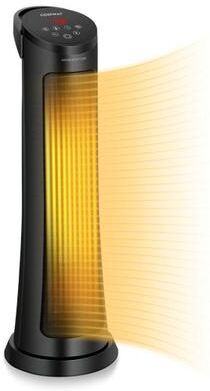
"850/1500W PTC Ceramic Space Heater, 17"" Portable Heater w/ Thermostat"Keep warm and cozy all winter long with our tower space heater. It features a quick-heating PTC ceramic element offering both 850W and 1500W settings to warm your space efficiently up to 5120 BTU.73,99 $*Shipping: 0,00 $Secure redirect to the provider
-
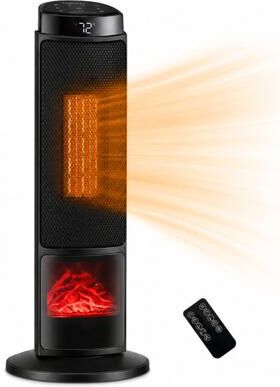
Igenix 2000W PTC Tower Heater Black White 60cm H X 19.5cm W X 20.7cm DThe 2kW PTC Tower Heater from Igenix in a stylish black finish is perfect for keeping your household warm without skyrocketing energy bills. This heater uses a PTC heating element, which are more energy efficient than other types of heating elements as they adjust the amount of power used based on the temperature of the element. They also minimise the risk of overheating, as well as lengthen the lifetime of the heater. An optional oscillation function ensures even heat distribution, whilst the aluminium fan keeps things quiet, so you’re not disturbed as you keep warm. Plus, its simple touch button control panel makes it easy to select between 3 heating modes, adjust the thermostat, and even set the timer up to 15 hours in the future. Igenix Finish: White69,99 £*Shipping: 0,00 £Secure redirect to the provider



-
What are six alternative options for PTC KTY11?
1. NTC thermistors: These are negative temperature coefficient thermistors that have a resistance that decreases as temperature increases. They can be used as an alternative to PTC KTY11 in temperature sensing applications. 2. RTD sensors: Resistance temperature detectors are another alternative to PTC KTY11. They are made of pure metals or metal alloys and their resistance changes with temperature. 3. Thermocouples: These are temperature sensors that consist of two different conductors that produce a voltage proportional to the temperature difference between the ends. They are commonly used in industrial and scientific applications. 4. Infrared sensors: These sensors detect temperature by measuring the infrared radiation emitted by an object. They can be used as an alternative to contact-based temperature sensors like PTC KTY11. 5. IC temperature sensors: Integrated circuit temperature sensors are small, low-cost sensors that can be used to measure temperature in electronic devices and systems. 6. Fiber optic sensors: These sensors use optical fibers to measure **
-
Can someone answer this exam question about NTC and PTC resistors correctly?
Yes, someone can answer an exam question about NTC and PTC resistors correctly if they have a good understanding of the differences between the two types of resistors. NTC resistors have a negative temperature coefficient, meaning their resistance decreases as temperature increases, while PTC resistors have a positive temperature coefficient, causing their resistance to increase with temperature. By knowing these key differences and how they affect the behavior of the resistors in circuits, someone should be able to answer an exam question about NTC and PTC resistors accurately. **
-
What are examples of the use of PTC and NTC in everyday life?
PTC (Positive Temperature Coefficient) and NTC (Negative Temperature Coefficient) thermistors are commonly used in everyday life. PTC thermistors are used in devices such as hair dryers and electric heaters to provide overheat protection. When the temperature rises above a certain threshold, the resistance of the PTC thermistor increases, cutting off the current and preventing overheating. NTC thermistors are used in applications such as temperature sensors in thermostats, automotive engine temperature monitoring, and in electronic devices to measure and control temperature. Their resistance decreases as the temperature rises, allowing them to accurately sense and respond to changes in temperature. **
-
How does the characteristic curve of PTC and NTC resistors change due to self-heating?
Self-heating in PTC (Positive Temperature Coefficient) resistors causes an increase in temperature, which in turn leads to a decrease in resistance. This results in a shift of the characteristic curve to the right, indicating higher resistance values at higher temperatures. On the other hand, self-heating in NTC (Negative Temperature Coefficient) resistors causes an increase in temperature, leading to a decrease in resistance. This shift in resistance values causes the characteristic curve of NTC resistors to move to the left, indicating lower resistance values at higher temperatures. **


How can one make a DIY electric hand warmer using a constant current source and a PTC (Positive Temperature Coefficient)?
To make a DIY electric hand warmer using a constant current source and a PTC, you will need to connect the PTC to the constant current source in a circuit. The constant current source will ensure that the PTC receives a steady flow of current, which will cause it to heat up. The PTC will then act as a self-regulating heater, as its resistance will increase as it heats up, preventing it from getting too hot. You can encase the PTC in a suitable material to create a handheld warmer that can be activated by simply turning on the constant current source. **
How can one convince parents to allow wearing a specific clothing with accessories at home?
To convince parents to allow wearing a specific clothing with accessories at home, it is important to have an open and respectful conversation with them. Explain the reasons why you want to wear that specific clothing and how it makes you feel comfortable or confident. You can also offer to compromise by setting boundaries on when and where you will wear the outfit. Additionally, showing responsibility and maturity in other aspects of your life may help build trust with your parents and increase the likelihood of them allowing you to wear the desired clothing with accessories at home. **
Top-Angebote
Products related to PTC:
-
Keen Utility PTC Oxford - Mens 9 Black Oxford D"*Hone your ""KEEN"" sense of style with this comfortable, slip-resistant work oxford *Water- and stain-resistant leather upper *Lace-up closure *Removable KEEN.Cush PU and Memory Foam footbed *TPU stability shank *Compresion molded EVA midsole..."150,00 $*Shipping: 0,00 $Secure redirect to the provider
-
"850/1500W PTC Ceramic Space Heater, 17"" Portable Heater w/ Thermostat"Keep warm and cozy all winter long with our tower space heater. It features a quick-heating PTC ceramic element offering both 850W and 1500W settings to warm your space efficiently up to 5120 BTU.73,99 $*Shipping: 0,00 $Secure redirect to the provider
-
How does a PTC re-settable fuse work in electronics?
A PTC (positive temperature coefficient) re-settable fuse works by using a polymer material that has a high resistance at normal operating temperatures. When a high current or overcurrent condition occurs, the PTC fuse heats up and its resistance increases dramatically, effectively limiting the current flow and protecting the circuit. Once the overcurrent condition is removed, the PTC fuse cools down and its resistance decreases, allowing the circuit to function normally again. This self-resetting feature makes PTC fuses ideal for protecting electronic circuits from overcurrent events. **
-
How do you heat PTC?
PTC (Positive Temperature Coefficient) heating elements can be heated by passing an electric current through them. When an electric current is applied, the resistance of the PTC material increases, causing it to heat up. This self-regulating property makes PTC heating elements efficient and safe for various applications such as heating pads, automotive heaters, and hair dryers. The amount of heat produced can be controlled by adjusting the voltage or current supplied to the PTC element. **
-
What are six alternative options for PTC KTY11?
1. NTC thermistors: These are negative temperature coefficient thermistors that have a resistance that decreases as temperature increases. They can be used as an alternative to PTC KTY11 in temperature sensing applications. 2. RTD sensors: Resistance temperature detectors are another alternative to PTC KTY11. They are made of pure metals or metal alloys and their resistance changes with temperature. 3. Thermocouples: These are temperature sensors that consist of two different conductors that produce a voltage proportional to the temperature difference between the ends. They are commonly used in industrial and scientific applications. 4. Infrared sensors: These sensors detect temperature by measuring the infrared radiation emitted by an object. They can be used as an alternative to contact-based temperature sensors like PTC KTY11. 5. IC temperature sensors: Integrated circuit temperature sensors are small, low-cost sensors that can be used to measure temperature in electronic devices and systems. 6. Fiber optic sensors: These sensors use optical fibers to measure **
-
Can someone answer this exam question about NTC and PTC resistors correctly?
Yes, someone can answer an exam question about NTC and PTC resistors correctly if they have a good understanding of the differences between the two types of resistors. NTC resistors have a negative temperature coefficient, meaning their resistance decreases as temperature increases, while PTC resistors have a positive temperature coefficient, causing their resistance to increase with temperature. By knowing these key differences and how they affect the behavior of the resistors in circuits, someone should be able to answer an exam question about NTC and PTC resistors accurately. **
Similar search terms for PTC
-
Igenix 2000W PTC Tower Heater Black White 60cm H X 19.5cm W X 20.7cm DThe 2kW PTC Tower Heater from Igenix in a stylish black finish is perfect for keeping your household warm without skyrocketing energy bills. This heater uses a PTC heating element, which are more energy efficient than other types of heating elements as they adjust the amount of power used based on the temperature of the element. They also minimise the risk of overheating, as well as lengthen the lifetime of the heater. An optional oscillation function ensures even heat distribution, whilst the aluminium fan keeps things quiet, so you’re not disturbed as you keep warm. Plus, its simple touch button control panel makes it easy to select between 3 heating modes, adjust the thermostat, and even set the timer up to 15 hours in the future. Igenix Finish: White69,99 £*Shipping: 0,00 £Secure redirect to the provider
-
SUGIFT 1500W Portable PTC Ceramic Space Heater for Indoor Use – Electric Heater for Bedroom, Office, and Other RoomsExperience efficient warmth with the SUGIFT 1500W Portable PTC Ceramic Space Heater, perfect for indoor use in bedrooms, offices, and other spaces.65,68 $*Shipping: 0,00 $Secure redirect to the provider
-
Keen Utility PTC Oxford - Mens 9.5 Black Oxford D"*Hone your ""KEEN"" sense of style with this comfortable, slip-resistant work oxford *Water- and stain-resistant leather upper *Lace-up closure *Removable KEEN.Cush PU and Memory Foam footbed *TPU stability shank *Compresion molded EVA midsole..."150,00 $*Shipping: 0,00 $Secure redirect to the provider
-
What are examples of the use of PTC and NTC in everyday life?
PTC (Positive Temperature Coefficient) and NTC (Negative Temperature Coefficient) thermistors are commonly used in everyday life. PTC thermistors are used in devices such as hair dryers and electric heaters to provide overheat protection. When the temperature rises above a certain threshold, the resistance of the PTC thermistor increases, cutting off the current and preventing overheating. NTC thermistors are used in applications such as temperature sensors in thermostats, automotive engine temperature monitoring, and in electronic devices to measure and control temperature. Their resistance decreases as the temperature rises, allowing them to accurately sense and respond to changes in temperature. **
-
How does the characteristic curve of PTC and NTC resistors change due to self-heating?
Self-heating in PTC (Positive Temperature Coefficient) resistors causes an increase in temperature, which in turn leads to a decrease in resistance. This results in a shift of the characteristic curve to the right, indicating higher resistance values at higher temperatures. On the other hand, self-heating in NTC (Negative Temperature Coefficient) resistors causes an increase in temperature, leading to a decrease in resistance. This shift in resistance values causes the characteristic curve of NTC resistors to move to the left, indicating lower resistance values at higher temperatures. **
-
How can one make a DIY electric hand warmer using a constant current source and a PTC (Positive Temperature Coefficient)?
To make a DIY electric hand warmer using a constant current source and a PTC, you will need to connect the PTC to the constant current source in a circuit. The constant current source will ensure that the PTC receives a steady flow of current, which will cause it to heat up. The PTC will then act as a self-regulating heater, as its resistance will increase as it heats up, preventing it from getting too hot. You can encase the PTC in a suitable material to create a handheld warmer that can be activated by simply turning on the constant current source. **
-
How can one convince parents to allow wearing a specific clothing with accessories at home?
To convince parents to allow wearing a specific clothing with accessories at home, it is important to have an open and respectful conversation with them. Explain the reasons why you want to wear that specific clothing and how it makes you feel comfortable or confident. You can also offer to compromise by setting boundaries on when and where you will wear the outfit. Additionally, showing responsibility and maturity in other aspects of your life may help build trust with your parents and increase the likelihood of them allowing you to wear the desired clothing with accessories at home. **
* All prices are inclusive of VAT and, if applicable, plus shipping costs. The offer information is based on the details provided by the respective shop and is updated through automated processes. Real-time updates do not occur, so deviations can occur in individual cases. ** Note: Parts of this content were created by AI.