Buy stopundshop.eu ?
We are moving the project
stopundshop.eu .
Are you interested in purchasing the domain
stopundshop.eu ?
domain@kv-gmbh.de · 0541-91531010
Buy stopundshop.eu ?
What is thermal resistance in electronics?
Thermal resistance in electronics refers to the measure of how a material or component resists the flow of heat. It is important in electronics to manage heat dissipation to prevent overheating and ensure the proper functioning of components. Thermal resistance is typically measured in degrees Celsius per watt (°C/W) and is used to calculate the temperature rise of a component for a given power input. Lower thermal resistance values indicate better heat dissipation capabilities. **
What is the difference between resistance and specific resistance?
Resistance is the opposition to the flow of electric current in a material, measured in ohms. It is a property of the material itself. Specific resistance, also known as resistivity, is a material property that quantifies how strongly a material opposes the flow of electric current. It is a characteristic of the material's composition and is used to calculate the resistance of a specific shape and size of material. **

Similar search terms for Resistance
Top-Angebote
Products related to Resistance:
-
Uplift Essentials Suspended Training Belt With Bungee Resistance For Home Exercise Suspended Training Belt With Bungee Resistance For Home ExerciseBuild strength, flexibility, and balance with the Suspended Training Belt With Bungee Resistance For Home Exercise a versatile fullbody workout system perfect for pullups, pilates, resistance training, and home fitness. Key Features Durable Bungee...34,97 $*Shipping: 0,00 $Secure redirect to the provider
-
Clever Finds Foldable Mini Pedal Exerciser Adjustable Resistance Home Exercise Bike Foldable Mini Pedal Exerciser Adjustable Resistance Home Exercise BikeStay active without giving up valuable space with this compact mini pedal exerciser designed for convenient everyday movement. Its foldable structure makes it easy to store, while adjustable resistance lets you personalize workout intensity to your...189,97 $*Shipping: 0,00 $Secure redirect to the provider
-
Combo Retail Shop Pull Rope Grip Resistance Bands For Yoga, Exercise Band Handle, Rally Handle Fitness Accessories Pull Rope Grip Resistance Bands For Yoga, Exercise Band Handle, Rally Handle Fitness AccessoriesTransform your fitness routine with the Pull Rope Grip, designed to elevate your performance and comfort during yoga, Pilates, and resistance band exercises. This fitness accessory is crafted for durability and versatility, making it an essential...38,97 $*Shipping: 0,00 $Secure redirect to the provider



-
What is the difference between electrical resistance and specific resistance?
Electrical resistance is the opposition to the flow of electric current in a material, measured in ohms. It is a property of the material itself and is dependent on factors such as the material's dimensions and temperature. Specific resistance, on the other hand, is a material property that quantifies how much a material resists the flow of electric current compared to a standard material. It is also known as resistivity and is measured in ohm-meters. In essence, electrical resistance is the overall resistance of a material, while specific resistance is a more intrinsic property of the material itself. **
-
How do I calculate the resistance with the internal resistance?
To calculate the total resistance with the internal resistance, you can use the formula: R_total = R_internal + R_external, where R_total is the total resistance, R_internal is the internal resistance, and R_external is the external resistance. This formula takes into account the resistance from both the internal and external components of the circuit. By adding the internal and external resistances together, you can determine the total resistance in the circuit. **
-
What are the tolerances for resistance chains and resistance cubes?
The tolerances for resistance chains and resistance cubes typically vary depending on the manufacturer and the specific product. However, in general, resistance chains and cubes are designed to have tight tolerances to ensure accurate and consistent resistance levels for users. It is common for resistance chains and cubes to have tolerances within a few percentage points to maintain their effectiveness and reliability during workouts. It is recommended to refer to the product specifications provided by the manufacturer for more detailed information on the tolerances of specific resistance chains and cubes. **
-
Is the protective resistance the same as the series resistance?
No, the protective resistance is not the same as the series resistance. The protective resistance is a component used to limit the current in a circuit and protect other components from damage. It is typically used in parallel with the component it is protecting. On the other hand, the series resistance is a component that is connected in series with other components in a circuit, affecting the overall resistance and current flow in the circuit. While both resistances are used to control current, they serve different purposes and are connected in different ways within a circuit. **


What is the difference between insulation resistance and surface resistance?
Insulation resistance measures the resistance to the flow of current through the insulation material between two conductors, while surface resistance measures the resistance to the flow of current across the surface of a material. Insulation resistance is typically used to assess the effectiveness of insulation materials in preventing current leakage, while surface resistance is used to evaluate the cleanliness and conductivity of surfaces in electronic and electrical applications. In summary, insulation resistance measures the resistance through a material, while surface resistance measures the resistance across a material's surface. **
What is the difference between specific resistance and direct current resistance?
Specific resistance, also known as resistivity, is a material property that measures the resistance of a specific material to the flow of electric current. It is expressed in ohm-meter and is a characteristic of the material itself. On the other hand, direct current resistance refers to the resistance of a specific component or device to the flow of direct current. It is measured in ohms and depends on the physical dimensions and material properties of the component. In summary, specific resistance is a material property, while direct current resistance is a property of a specific component or device. **
Top-Angebote
Products related to Resistance:
-
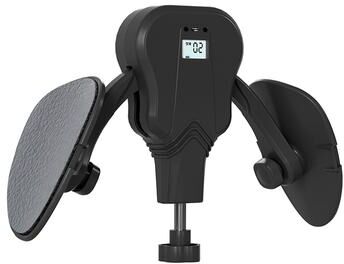
Healfit Counter Leg Beauty Machine, Kegel Pelvic Floor Trainer, Resistance Adjustable Home Fitness Equipment Leg Beauty Machine, Kegel Pelvic Floor Trainer, Resistance Adjustable Home Fitness EquipmentEnhance Your Fitness Routine with This MultiFunctional Kegel Trainer This Kegel pelvic floor muscle trainer is designed to strengthen your pelvic floor muscles, providing you with better control and support. Perfect for women of all ages, this...89,97 $*Shipping: 0,00 $Secure redirect to the provider
-
Market Central Pedal Resistance Band For Full Body Home Workouts Pedal Resistance Band For Full Body Home WorkoutsBuild strength, improve flexibility, and stay active without bulky gym equipment. This pedal resistance band combines four elastic tubes, supportive foot pedals, and comfortable handles for controlled workouts. Designed for women and men, it helps...29,97 $*Shipping: 0,00 $Secure redirect to the provider
-
Uplift Essentials Suspended Training Belt With Bungee Resistance For Home Exercise Suspended Training Belt With Bungee Resistance For Home ExerciseBuild strength, flexibility, and balance with the Suspended Training Belt With Bungee Resistance For Home Exercise a versatile fullbody workout system perfect for pullups, pilates, resistance training, and home fitness. Key Features Durable Bungee...34,97 $*Shipping: 0,00 $Secure redirect to the provider
-
Clever Finds Foldable Mini Pedal Exerciser Adjustable Resistance Home Exercise Bike Foldable Mini Pedal Exerciser Adjustable Resistance Home Exercise BikeStay active without giving up valuable space with this compact mini pedal exerciser designed for convenient everyday movement. Its foldable structure makes it easy to store, while adjustable resistance lets you personalize workout intensity to your...189,97 $*Shipping: 0,00 $Secure redirect to the provider
-
What is thermal resistance in electronics?
Thermal resistance in electronics refers to the measure of how a material or component resists the flow of heat. It is important in electronics to manage heat dissipation to prevent overheating and ensure the proper functioning of components. Thermal resistance is typically measured in degrees Celsius per watt (°C/W) and is used to calculate the temperature rise of a component for a given power input. Lower thermal resistance values indicate better heat dissipation capabilities. **
-
What is the difference between resistance and specific resistance?
Resistance is the opposition to the flow of electric current in a material, measured in ohms. It is a property of the material itself. Specific resistance, also known as resistivity, is a material property that quantifies how strongly a material opposes the flow of electric current. It is a characteristic of the material's composition and is used to calculate the resistance of a specific shape and size of material. **
-
What is the difference between electrical resistance and specific resistance?
Electrical resistance is the opposition to the flow of electric current in a material, measured in ohms. It is a property of the material itself and is dependent on factors such as the material's dimensions and temperature. Specific resistance, on the other hand, is a material property that quantifies how much a material resists the flow of electric current compared to a standard material. It is also known as resistivity and is measured in ohm-meters. In essence, electrical resistance is the overall resistance of a material, while specific resistance is a more intrinsic property of the material itself. **
-
How do I calculate the resistance with the internal resistance?
To calculate the total resistance with the internal resistance, you can use the formula: R_total = R_internal + R_external, where R_total is the total resistance, R_internal is the internal resistance, and R_external is the external resistance. This formula takes into account the resistance from both the internal and external components of the circuit. By adding the internal and external resistances together, you can determine the total resistance in the circuit. **
Similar search terms for Resistance
-
Combo Retail Shop Pull Rope Grip Resistance Bands For Yoga, Exercise Band Handle, Rally Handle Fitness Accessories Pull Rope Grip Resistance Bands For Yoga, Exercise Band Handle, Rally Handle Fitness AccessoriesTransform your fitness routine with the Pull Rope Grip, designed to elevate your performance and comfort during yoga, Pilates, and resistance band exercises. This fitness accessory is crafted for durability and versatility, making it an essential...38,97 $*Shipping: 0,00 $Secure redirect to the provider
-
Market Central Adjustable Resistance Band Belt For Strength Training And Home Workouts Adjustable Resistance Band Belt For Strength Training And Home WorkoutsTrain with more control, comfort, and confidence wherever your fitness routine takes you. This resistance band belt is designed for users who want a simple way to add tensionbased movement to strength, agility, and cardio workouts. Ideal for home,...41,97 $*Shipping: 0,00 $Secure redirect to the provider
-
Clever Finds Adjustable Resistance Band Door Anchor Strap For Home Fitness Training Adjustable Resistance Band Door Anchor Strap For Home Fitness TrainingTurn almost any suitable door into a convenient workout station with this 1 pc of resistance band door anchor. Designed for home fitness enthusiasts, it provides a practical way to perform strength, stretching, and conditioning exercises without...94,97 $*Shipping: 0,00 $Secure redirect to the provider
-
What are the tolerances for resistance chains and resistance cubes?
The tolerances for resistance chains and resistance cubes typically vary depending on the manufacturer and the specific product. However, in general, resistance chains and cubes are designed to have tight tolerances to ensure accurate and consistent resistance levels for users. It is common for resistance chains and cubes to have tolerances within a few percentage points to maintain their effectiveness and reliability during workouts. It is recommended to refer to the product specifications provided by the manufacturer for more detailed information on the tolerances of specific resistance chains and cubes. **
-
Is the protective resistance the same as the series resistance?
No, the protective resistance is not the same as the series resistance. The protective resistance is a component used to limit the current in a circuit and protect other components from damage. It is typically used in parallel with the component it is protecting. On the other hand, the series resistance is a component that is connected in series with other components in a circuit, affecting the overall resistance and current flow in the circuit. While both resistances are used to control current, they serve different purposes and are connected in different ways within a circuit. **
-
What is the difference between insulation resistance and surface resistance?
Insulation resistance measures the resistance to the flow of current through the insulation material between two conductors, while surface resistance measures the resistance to the flow of current across the surface of a material. Insulation resistance is typically used to assess the effectiveness of insulation materials in preventing current leakage, while surface resistance is used to evaluate the cleanliness and conductivity of surfaces in electronic and electrical applications. In summary, insulation resistance measures the resistance through a material, while surface resistance measures the resistance across a material's surface. **
-
What is the difference between specific resistance and direct current resistance?
Specific resistance, also known as resistivity, is a material property that measures the resistance of a specific material to the flow of electric current. It is expressed in ohm-meter and is a characteristic of the material itself. On the other hand, direct current resistance refers to the resistance of a specific component or device to the flow of direct current. It is measured in ohms and depends on the physical dimensions and material properties of the component. In summary, specific resistance is a material property, while direct current resistance is a property of a specific component or device. **
* All prices are inclusive of VAT and, if applicable, plus shipping costs. The offer information is based on the details provided by the respective shop and is updated through automated processes. Real-time updates do not occur, so deviations can occur in individual cases. ** Note: Parts of this content were created by AI.