Buy stopundshop.eu ?
We are moving the project
stopundshop.eu .
Are you interested in purchasing the domain
stopundshop.eu ?
domain@kv-gmbh.de · 0541-91531010
Buy stopundshop.eu ?
What are the methods of British colonial rule?
The methods of British colonial rule included direct rule, indirect rule, and settler colonialism. Direct rule involved the appointment of British officials to govern the colony, often with little input from local leaders. Indirect rule, on the other hand, involved governing through local leaders and traditional institutions, with British officials providing oversight and guidance. Settler colonialism involved the migration of British settlers to the colony, often resulting in the displacement and marginalization of indigenous populations. These methods were used to exert control over the colonies and exploit their resources for the benefit of the British Empire. **
What is colonial policy?
Colonial policy refers to the set of rules, regulations, and practices established by a colonial power to govern its colonies. These policies often involve economic exploitation, political control, and cultural assimilation of the colonized population. Colonial policy can vary widely depending on the specific goals and strategies of the colonizing power, but it generally aims to maintain dominance and extract resources from the colony for the benefit of the colonizer. **


Similar search terms for Lenox-British-Colonial-Tradewind
Top-Angebote
Products related to Lenox-British-Colonial-Tradewind:
-
Lenox British Colonial Bamboo Dinner Plates, Set of 4A thatched bamboo motif and microwave-safe gold trim encircles the borders of these exotic British Colonial Bamboo Dinner Plates. Tiny accents of blue peek through the design, to blend the this lush tropical design with classic Lenox Craftsmanship.99,95 $*Shipping: 0,00 $Secure redirect to the provider
-
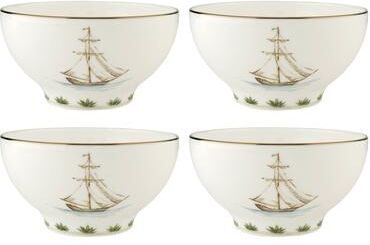
Lenox British Colonial Bamboo Fruit Bowls, Set of 4From the British Colonial Collection, these fruit bowls boast a painted bamboo accent and microwave-safe gold trim. The bamboo design combines classic Lenox craftsmanship with the exotic lushness of the tropics.65,95 $*Shipping: 0,00 $Secure redirect to the provider



-
What is the colonial heritage?
The colonial heritage refers to the lasting impact of colonization on a region or country. It includes the cultural, social, political, and economic influences left behind by the colonizers. This heritage can manifest in various ways, such as language, religion, legal systems, and societal structures. The colonial heritage often shapes the identity and development of a nation long after the colonizers have left. **
-
Was Spain a colonial power?
Yes, Spain was a major colonial power during the Age of Exploration. It established a vast overseas empire that included territories in the Americas, Africa, Asia, and the Pacific. Spanish explorers and conquistadors played a significant role in the colonization of the Americas, and the Spanish Empire had a profound impact on the cultures, languages, and societies of the regions it colonized. The legacy of Spanish colonialism can still be seen in many parts of the world today. **
-
Which colonial power was the worst?
It is difficult to determine which colonial power was the worst as each had its own atrocities and impacts on the colonized regions. However, some historians argue that the Belgian colonization of the Congo under King Leopold II was particularly brutal, with millions of Congolese people killed or subjected to forced labor. The British Empire also had a significant negative impact on many of its colonies, with policies that exploited resources and oppressed local populations. Ultimately, the impact of colonialism varied depending on the specific region and time period, making it challenging to definitively label one colonial power as the worst. **
-
What was the Spanish colonial empire?
The Spanish colonial empire was a vast overseas territory controlled by Spain from the late 15th century to the early 19th century. It included territories in the Americas, Africa, Asia, and the Pacific, and was one of the largest empires in history. The empire was established through exploration, conquest, and colonization, and it played a significant role in shaping the culture, language, and society of the regions it controlled. The Spanish colonial empire had a lasting impact on the indigenous populations and the territories it ruled, and its legacy can still be seen in many parts of the world today. **


How did Germany become a colonial power?
Germany became a colonial power in the late 19th century through a process known as the "Scramble for Africa." Seeking to catch up with other European powers in acquiring overseas territories, Germany established colonies in Africa, Asia, and the Pacific. The German Empire's colonial ambitions were driven by economic interests, the desire for strategic military bases, and a quest for national prestige. However, Germany's colonial empire was short-lived, as it lost its colonies after World War I as part of the Treaty of Versailles. **
Who were the most powerful colonial powers?
The most powerful colonial powers were Spain, Portugal, France, and Britain. These countries established vast empires across the Americas, Africa, and Asia, exploiting resources and establishing control over indigenous populations. Their colonial dominance had a lasting impact on the cultures, economies, and political landscapes of the regions they colonized. **
Top-Angebote
Products related to Lenox-British-Colonial-Tradewind:
-
Lenox British Colonial Bamboo Dinner Plates, Set of 4A thatched bamboo motif and microwave-safe gold trim encircles the borders of these exotic British Colonial Bamboo Dinner Plates. Tiny accents of blue peek through the design, to blend the this lush tropical design with classic Lenox Craftsmanship.99,95 $*Shipping: 0,00 $Secure redirect to the provider
-
What are the methods of British colonial rule?
The methods of British colonial rule included direct rule, indirect rule, and settler colonialism. Direct rule involved the appointment of British officials to govern the colony, often with little input from local leaders. Indirect rule, on the other hand, involved governing through local leaders and traditional institutions, with British officials providing oversight and guidance. Settler colonialism involved the migration of British settlers to the colony, often resulting in the displacement and marginalization of indigenous populations. These methods were used to exert control over the colonies and exploit their resources for the benefit of the British Empire. **
-
What is colonial policy?
Colonial policy refers to the set of rules, regulations, and practices established by a colonial power to govern its colonies. These policies often involve economic exploitation, political control, and cultural assimilation of the colonized population. Colonial policy can vary widely depending on the specific goals and strategies of the colonizing power, but it generally aims to maintain dominance and extract resources from the colony for the benefit of the colonizer. **
-
What is the colonial heritage?
The colonial heritage refers to the lasting impact of colonization on a region or country. It includes the cultural, social, political, and economic influences left behind by the colonizers. This heritage can manifest in various ways, such as language, religion, legal systems, and societal structures. The colonial heritage often shapes the identity and development of a nation long after the colonizers have left. **
-
Was Spain a colonial power?
Yes, Spain was a major colonial power during the Age of Exploration. It established a vast overseas empire that included territories in the Americas, Africa, Asia, and the Pacific. Spanish explorers and conquistadors played a significant role in the colonization of the Americas, and the Spanish Empire had a profound impact on the cultures, languages, and societies of the regions it colonized. The legacy of Spanish colonialism can still be seen in many parts of the world today. **
Similar search terms for Lenox-British-Colonial-Tradewind
-
Lenox British Colonial Bamboo Fruit Bowls, Set of 4From the British Colonial Collection, these fruit bowls boast a painted bamboo accent and microwave-safe gold trim. The bamboo design combines classic Lenox craftsmanship with the exotic lushness of the tropics.65,95 $*Shipping: 0,00 $Secure redirect to the provider
-
E by Design British Colonial, Geometric Print PlacematCreate a lively tropical spirit and an inviting breezy atmosphere in your home with a set of British Colonial placemats from our Tropical Resort Collection. Set your table with these placemats to add pizzazz to your dining space.39,74 $*Shipping: 0,00 $Secure redirect to the provider
-
Which colonial power was the worst?
It is difficult to determine which colonial power was the worst as each had its own atrocities and impacts on the colonized regions. However, some historians argue that the Belgian colonization of the Congo under King Leopold II was particularly brutal, with millions of Congolese people killed or subjected to forced labor. The British Empire also had a significant negative impact on many of its colonies, with policies that exploited resources and oppressed local populations. Ultimately, the impact of colonialism varied depending on the specific region and time period, making it challenging to definitively label one colonial power as the worst. **
-
What was the Spanish colonial empire?
The Spanish colonial empire was a vast overseas territory controlled by Spain from the late 15th century to the early 19th century. It included territories in the Americas, Africa, Asia, and the Pacific, and was one of the largest empires in history. The empire was established through exploration, conquest, and colonization, and it played a significant role in shaping the culture, language, and society of the regions it controlled. The Spanish colonial empire had a lasting impact on the indigenous populations and the territories it ruled, and its legacy can still be seen in many parts of the world today. **
-
How did Germany become a colonial power?
Germany became a colonial power in the late 19th century through a process known as the "Scramble for Africa." Seeking to catch up with other European powers in acquiring overseas territories, Germany established colonies in Africa, Asia, and the Pacific. The German Empire's colonial ambitions were driven by economic interests, the desire for strategic military bases, and a quest for national prestige. However, Germany's colonial empire was short-lived, as it lost its colonies after World War I as part of the Treaty of Versailles. **
-
Who were the most powerful colonial powers?
The most powerful colonial powers were Spain, Portugal, France, and Britain. These countries established vast empires across the Americas, Africa, and Asia, exploiting resources and establishing control over indigenous populations. Their colonial dominance had a lasting impact on the cultures, economies, and political landscapes of the regions they colonized. **
* All prices are inclusive of VAT and, if applicable, plus shipping costs. The offer information is based on the details provided by the respective shop and is updated through automated processes. Real-time updates do not occur, so deviations can occur in individual cases. ** Note: Parts of this content were created by AI.