Buy stopundshop.eu ?
We are moving the project
stopundshop.eu .
Are you interested in purchasing the domain
stopundshop.eu ?
domain@kv-gmbh.de · 0541-91531010
Buy stopundshop.eu ?
What is home economics in kindergarten?
Home economics in kindergarten is a subject that focuses on teaching young children basic life skills related to home management and personal care. This can include activities such as learning how to set the table, basic cooking skills, personal hygiene, and understanding the importance of cleanliness and organization. The goal is to introduce children to the concept of taking care of themselves and their surroundings, and to develop a foundation for independent living skills as they grow older. Home economics in kindergarten also helps children understand the value of teamwork and cooperation, as they often work together on various projects and activities. **
Why is "Kindergarten" called "kindergarten" in English?
The term "kindergarten" comes from the German language, where "kinder" means "children" and "garten" means "garden." The term was coined by Friedrich Fröbel, a German educator, who established the first kindergarten in 1837. Fröbel believed that young children should be nurtured and educated in a way that is similar to tending a garden, hence the name "kindergarten." The concept of kindergarten was later adopted in English-speaking countries, and the name "kindergarten" was retained. **

Similar search terms for Kindergarten
Top-Angebote
Products related to Kindergarten:
-
Scholastic Grade Kindergarten Value Pack (Books plus Workbook)Help children retain valuable academic skills over the school break.This set includes:Scholastic Early Learners: Giant Kindergarten WorkbookThe Adventure Friends #2: Lost DogLearn About: Animals: Just Discovered ReptilesPoppleton #7: Poppleton Has...34,99 $*Shipping: 0,00 $Secure redirect to the provider
-
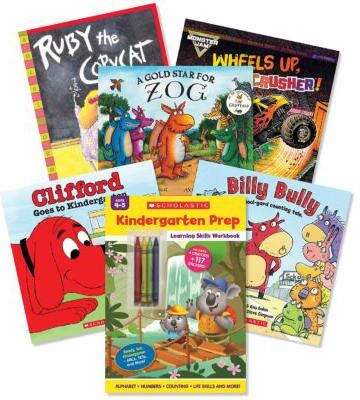
Scholastic Kindergarten Prep Back to School Value PackPrepare for Kindergarten with these cool school tales, along with a fun, skill-building 144-page workbook that covers essential learning skills.This set includes:Billy BullyClifford Goes to KindergartenA Gold Star for ZogKindergarten Prep Learning...36,99 $*Shipping: 0,00 $Secure redirect to the provider
-
Junie B. Jones Complete Kindergarten Collection: Books 1-17Wowie wow wow! For the first time ever, ALL 17 of the Junie B. Jones kindergarten adventures are available in one set! Includes an EXCLUSIVE paper-doll bonus!Meet Junie B. Jones-the world's funniest kindergartner! With over 55 million books sold,...86,95 $*Shipping: 0,00 $Secure redirect to the provider
-
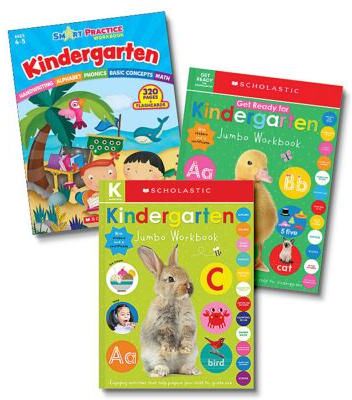
SSO Back to School Back to School: Kindergarten Learning Value PackThis set includes:Scholastic Early Learners: Get Ready for Kindergarten Jumbo WorkbookScholastic Early Learners: Kindergarten Jumbo WorkbookSmart Practice Workbook: Kindergarten Back to School: Kindergarten Learning Value Pack34,82 $*Shipping: 0,00 $Secure redirect to the provider


-
Does "Kindergarten" also mean "Kindergarten" in English?
Yes, "Kindergarten" is a loanword from German that has been adopted into English and has the same meaning in both languages. It refers to a preschool or educational program for young children, typically between the ages of 3 and 6. The word "Kindergarten" is widely used and understood in English-speaking countries. **
-
Why is Kindergarten also called Kindergarten in English?
Kindergarten is called Kindergarten in English because it is a loanword from the German language. The word "Kindergarten" is a combination of two German words: "kind" meaning child and "garten" meaning garden. The term was first used by Friedrich Froebel, a German educator, who established the first kindergarten in the 19th century. The concept of kindergarten as a place for young children to learn and play was then adopted and adapted in English-speaking countries, and the German term was retained. **
-
What is a forest kindergarten and what is the difference between a forest kindergarten, a Waldorf kindergarten, and a traditional kindergarten?
A forest kindergarten is an outdoor-based educational program that takes place in a natural environment, such as a forest or woodland. Children in forest kindergartens spend the majority of their time outdoors, engaging in activities like exploring nature, playing in the mud, and learning about the environment. The main difference between a forest kindergarten and a Waldorf kindergarten is that while both prioritize outdoor play and nature-based learning, Waldorf kindergartens also incorporate a holistic educational approach that focuses on the development of the child's physical, emotional, and intellectual capacities. Traditional kindergartens, on the other hand, are typically indoor-based and follow a more structured curriculum, with less emphasis on outdoor play and nature-based learning. **
-
What distinguishes a Waldorf kindergarten from a traditional kindergarten?
A Waldorf kindergarten differs from a traditional kindergarten in its emphasis on holistic development, creativity, and imagination. Waldorf kindergartens focus on a play-based curriculum that integrates arts, music, and movement into daily activities. They also prioritize a connection to nature and outdoor play. Additionally, Waldorf kindergartens often have mixed-age classrooms and a strong emphasis on building a sense of community and social skills among children. **
Can you teach in kindergarten without wearing shoulder-covering clothing?
Yes, it is possible to teach in kindergarten without wearing shoulder-covering clothing, depending on the school's dress code and cultural norms. Some kindergartens may have specific dress codes that require teachers to wear modest clothing that covers the shoulders, while others may have more relaxed guidelines. It's important to adhere to the school's policies and respect the cultural expectations of the community in which you are teaching. If shoulder-covering clothing is required, it's important to comply with the dress code to maintain professionalism and set a good example for the students. **
'Playground or kindergarten?'
Both playgrounds and kindergartens are important for children's development, but they serve different purposes. Playgrounds provide a space for children to engage in physical activity, socialize with others, and have fun. Kindergartens, on the other hand, are educational settings where children learn important academic and social skills through structured activities and interactions with teachers and peers. While both are important for children's growth and development, they serve different functions in supporting children's overall well-being. **
Top-Angebote
Products related to Kindergarten:
-
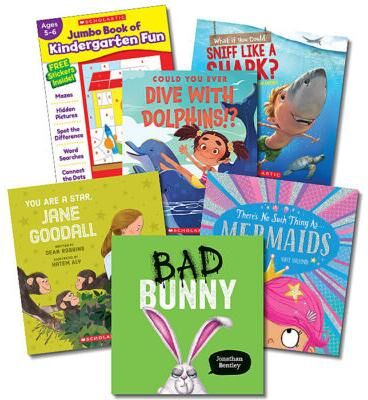
Scholastic Kindergarten Value PackHelp children retain valuable academic skills.Five fun titles paired together with a 320 page workbook that will help children develop hand-eye coordination, visual discrimination, fine-motor skills, and attention to detail.This set includes:Bad...41,59 $*Shipping: 0,00 $Secure redirect to the provider
-
Scholastic Summer Reading Kindergarten Value PackHelp develop young readers vocabulary and grow reading achievement over the summer with this pack.This set includes:The Adventure Friends: Bright StarCould You Ever Smile with Axolotls!?Dragon Hill: Ember the Fire DragonThe Fish Who Cried...29,99 $*Shipping: 0,00 $Secure redirect to the provider
-
Scholastic Grade Kindergarten Value Pack (Books plus Workbook)Help children retain valuable academic skills over the school break.This set includes:Scholastic Early Learners: Giant Kindergarten WorkbookThe Adventure Friends #2: Lost DogLearn About: Animals: Just Discovered ReptilesPoppleton #7: Poppleton Has...34,99 $*Shipping: 0,00 $Secure redirect to the provider
-
Scholastic Kindergarten Prep Back to School Value PackPrepare for Kindergarten with these cool school tales, along with a fun, skill-building 144-page workbook that covers essential learning skills.This set includes:Billy BullyClifford Goes to KindergartenA Gold Star for ZogKindergarten Prep Learning...36,99 $*Shipping: 0,00 $Secure redirect to the provider
-
What is home economics in kindergarten?
Home economics in kindergarten is a subject that focuses on teaching young children basic life skills related to home management and personal care. This can include activities such as learning how to set the table, basic cooking skills, personal hygiene, and understanding the importance of cleanliness and organization. The goal is to introduce children to the concept of taking care of themselves and their surroundings, and to develop a foundation for independent living skills as they grow older. Home economics in kindergarten also helps children understand the value of teamwork and cooperation, as they often work together on various projects and activities. **
-
Why is "Kindergarten" called "kindergarten" in English?
The term "kindergarten" comes from the German language, where "kinder" means "children" and "garten" means "garden." The term was coined by Friedrich Fröbel, a German educator, who established the first kindergarten in 1837. Fröbel believed that young children should be nurtured and educated in a way that is similar to tending a garden, hence the name "kindergarten." The concept of kindergarten was later adopted in English-speaking countries, and the name "kindergarten" was retained. **
-
Does "Kindergarten" also mean "Kindergarten" in English?
Yes, "Kindergarten" is a loanword from German that has been adopted into English and has the same meaning in both languages. It refers to a preschool or educational program for young children, typically between the ages of 3 and 6. The word "Kindergarten" is widely used and understood in English-speaking countries. **
-
Why is Kindergarten also called Kindergarten in English?
Kindergarten is called Kindergarten in English because it is a loanword from the German language. The word "Kindergarten" is a combination of two German words: "kind" meaning child and "garten" meaning garden. The term was first used by Friedrich Froebel, a German educator, who established the first kindergarten in the 19th century. The concept of kindergarten as a place for young children to learn and play was then adopted and adapted in English-speaking countries, and the German term was retained. **
Similar search terms for Kindergarten
-
Junie B. Jones Complete Kindergarten Collection: Books 1-17Wowie wow wow! For the first time ever, ALL 17 of the Junie B. Jones kindergarten adventures are available in one set! Includes an EXCLUSIVE paper-doll bonus!Meet Junie B. Jones-the world's funniest kindergartner! With over 55 million books sold,...86,95 $*Shipping: 0,00 $Secure redirect to the provider
-
SSO Back to School Back to School: Kindergarten Learning Value PackThis set includes:Scholastic Early Learners: Get Ready for Kindergarten Jumbo WorkbookScholastic Early Learners: Kindergarten Jumbo WorkbookSmart Practice Workbook: Kindergarten Back to School: Kindergarten Learning Value Pack34,82 $*Shipping: 0,00 $Secure redirect to the provider
-
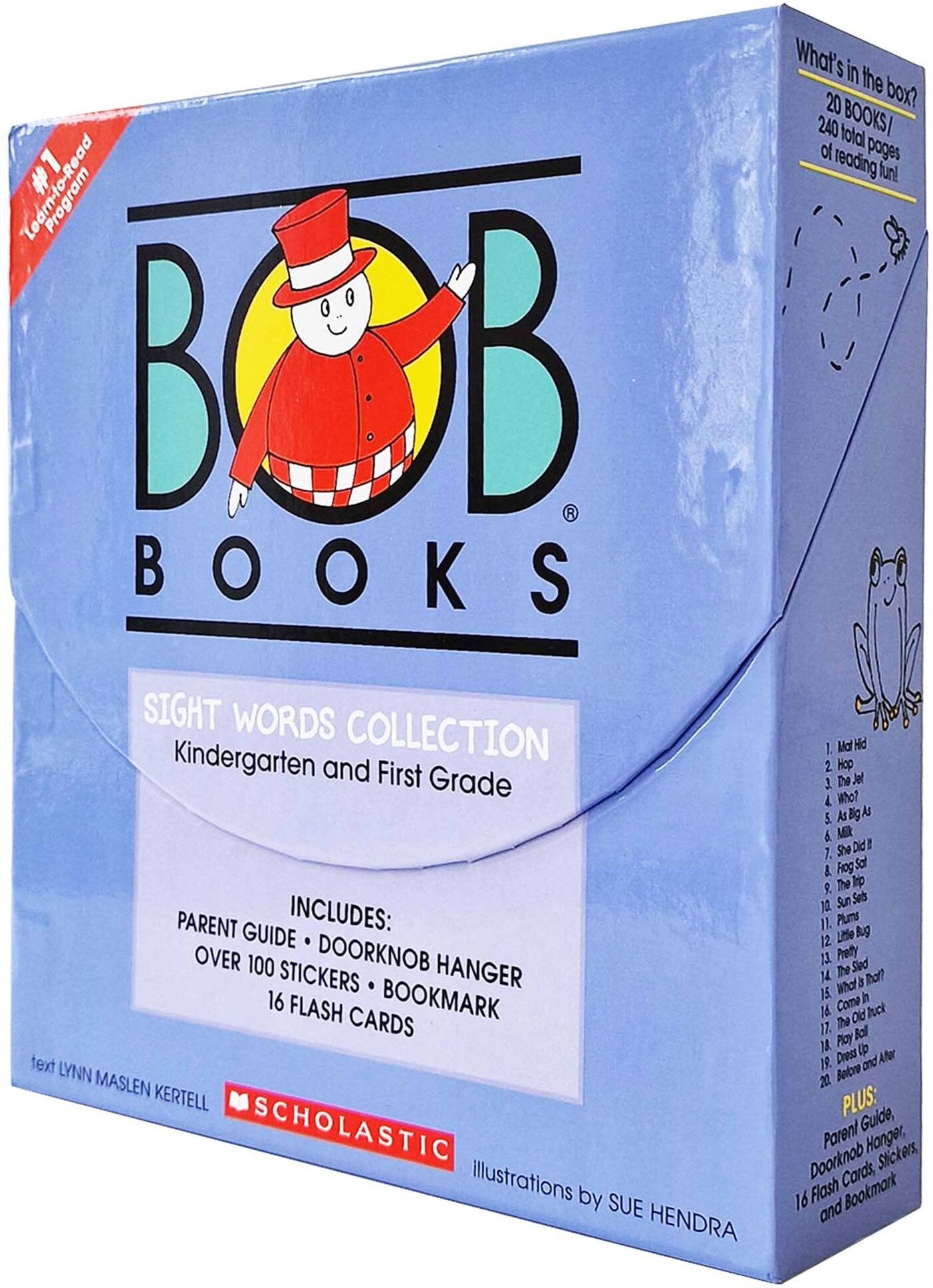
Scholastic Bob Books Sight Words Collection Box Set - Kindergarten and First Grade• Includes all 20 books from Bob Books Sight Words - Kindergarten and Sight Words - First Grade• Consistent short vowels and consonants mean a child can quickly decode the simple stories.• Each humorous book introduces three new sight words.• A gradual pace gently develops reading skills and confidence.• 16 Flash cards add fun to learning sight words.• Parent tips inside each book provide teaching hints.8,49 £*Shipping: 2,99 £Secure redirect to the provider
-
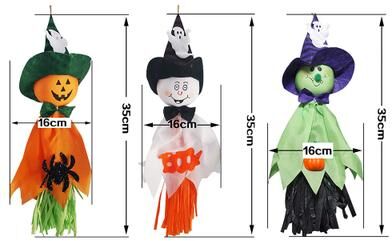
Quick Pick Pro Halloween Ghost, Doll Pendant, Haunted House, Kindergarten Hanging, Halloween Home, Decorations Props 3pcs MixedCreate a spooky atmosphere with this Halloween Ghost Doll Pendant, designed to bring eerie fun to your home, classroom, or haunted house party. Crafted with lightweight materials, these Halloween Home Decorations Props are easy to hang on walls,...29,97 $*Shipping: 0,00 $Secure redirect to the provider
-
What is a forest kindergarten and what is the difference between a forest kindergarten, a Waldorf kindergarten, and a traditional kindergarten?
A forest kindergarten is an outdoor-based educational program that takes place in a natural environment, such as a forest or woodland. Children in forest kindergartens spend the majority of their time outdoors, engaging in activities like exploring nature, playing in the mud, and learning about the environment. The main difference between a forest kindergarten and a Waldorf kindergarten is that while both prioritize outdoor play and nature-based learning, Waldorf kindergartens also incorporate a holistic educational approach that focuses on the development of the child's physical, emotional, and intellectual capacities. Traditional kindergartens, on the other hand, are typically indoor-based and follow a more structured curriculum, with less emphasis on outdoor play and nature-based learning. **
-
What distinguishes a Waldorf kindergarten from a traditional kindergarten?
A Waldorf kindergarten differs from a traditional kindergarten in its emphasis on holistic development, creativity, and imagination. Waldorf kindergartens focus on a play-based curriculum that integrates arts, music, and movement into daily activities. They also prioritize a connection to nature and outdoor play. Additionally, Waldorf kindergartens often have mixed-age classrooms and a strong emphasis on building a sense of community and social skills among children. **
-
Can you teach in kindergarten without wearing shoulder-covering clothing?
Yes, it is possible to teach in kindergarten without wearing shoulder-covering clothing, depending on the school's dress code and cultural norms. Some kindergartens may have specific dress codes that require teachers to wear modest clothing that covers the shoulders, while others may have more relaxed guidelines. It's important to adhere to the school's policies and respect the cultural expectations of the community in which you are teaching. If shoulder-covering clothing is required, it's important to comply with the dress code to maintain professionalism and set a good example for the students. **
-
'Playground or kindergarten?'
Both playgrounds and kindergartens are important for children's development, but they serve different purposes. Playgrounds provide a space for children to engage in physical activity, socialize with others, and have fun. Kindergartens, on the other hand, are educational settings where children learn important academic and social skills through structured activities and interactions with teachers and peers. While both are important for children's growth and development, they serve different functions in supporting children's overall well-being. **
* All prices are inclusive of VAT and, if applicable, plus shipping costs. The offer information is based on the details provided by the respective shop and is updated through automated processes. Real-time updates do not occur, so deviations can occur in individual cases. ** Note: Parts of this content were created by AI.