Buy stopundshop.eu ?
We are moving the project
stopundshop.eu .
Are you interested in purchasing the domain
stopundshop.eu ?
domain@kv-gmbh.de · 0541-91531010
Buy stopundshop.eu ?
How does a dual injection system work in car engines?
A dual injection system in car engines uses both direct injection and port injection to deliver fuel into the combustion chamber. Direct injection involves spraying fuel directly into the combustion chamber, while port injection involves spraying fuel into the intake port of the cylinder head. This dual approach allows for better fuel atomization and more precise control over the fuel-air mixture, resulting in improved fuel efficiency and performance. The system can also switch between direct and port injection depending on driving conditions, further optimizing engine performance. **
What are the visual differences between a carburetor and a fuel injection system?
A carburetor is a mechanical device that mixes air and fuel before it enters the engine, typically visible as a large metal component with various tubes and linkages. In contrast, a fuel injection system delivers fuel directly into the combustion chamber in a more precise and controlled manner, often appearing as a series of smaller components such as injectors and a fuel rail. Visually, carburetors tend to be bulkier and have more external parts, while fuel injection systems are more streamlined and compact. **

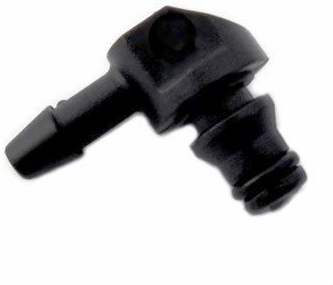
Similar search terms for JAPKO-9DH007-Injection-System
Top-Angebote
Products related to JAPKO-9DH007-Injection-System:


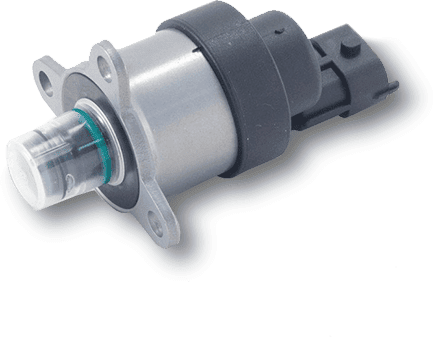
-
What are the optical differences between a carburetor and a fuel injection system?
A carburetor is a mechanical device that mixes air and fuel before it enters the engine, while a fuel injection system uses electronic sensors and injectors to precisely control the amount of fuel entering the engine. Optically, a carburetor has visible moving parts and is typically larger in size, while a fuel injection system is more compact and has fewer visible components. Additionally, a carburetor often has a visible fuel bowl and choke, while a fuel injection system does not have these features. **
-
Should the adjustment be made to the carburetor or the fuel injection system?
The decision to adjust the carburetor or the fuel injection system depends on the specific issue at hand. If the vehicle is experiencing problems related to fuel delivery, such as poor fuel efficiency or difficulty starting, then adjusting the carburetor may be necessary. On the other hand, if the issue is related to the fuel injection system, such as rough idling or engine misfires, then adjusting the fuel injection system would be more appropriate. It is important to diagnose the problem accurately before deciding which system to adjust. **
-
How can one make the TGB Bullet 49cc with fuel injection system faster?
To make the TGB Bullet 49cc with a fuel injection system faster, one can consider upgrading the exhaust system to improve airflow and increase power output. Additionally, installing a high-performance air filter can improve air intake and fuel efficiency. Tuning the fuel injection system for optimal performance and upgrading the ignition system can also help to increase speed and acceleration. Finally, considering a performance upgrade for the engine components, such as the cylinder, piston, and camshaft, can further enhance the overall speed and performance of the scooter. **
-
What is better: direct injection or intake manifold injection?
Direct injection is generally considered better than intake manifold injection because it allows for more precise fuel delivery, resulting in improved fuel efficiency and power output. Direct injection also reduces the risk of carbon buildup on the intake valves, which can be a common issue with intake manifold injection. Additionally, direct injection allows for better control over the air-fuel mixture, leading to cleaner emissions. Overall, direct injection is the preferred choice for modern engines due to its superior performance and efficiency. **
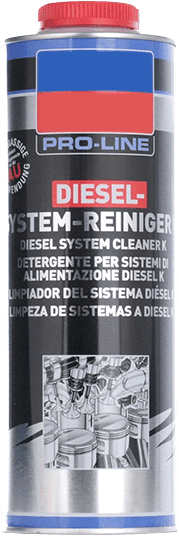

What is the difference between a pump-nozzle injection and a common rail system?
A pump-nozzle injection system is an older technology where each fuel injector has its own pump that delivers fuel at high pressure directly into the combustion chamber. In contrast, a common rail system uses a single high-pressure pump to supply fuel to a common rail that then distributes the fuel to each injector. Common rail systems offer more precise control over fuel delivery and injection timing, resulting in better fuel efficiency and lower emissions compared to pump-nozzle systems. **
What is the difference between a pump-nozzle injection and a common-rail system?
A pump-nozzle injection system consists of a separate pump for each cylinder, which pressurizes the fuel and sends it directly to the injector nozzle. In contrast, a common-rail system uses a single high-pressure pump to supply fuel to a common rail that distributes it to all the injectors. The main difference is that in a pump-nozzle system, each cylinder has its own pump, while in a common-rail system, all cylinders share a common fuel supply. Common-rail systems are more efficient and precise in fuel delivery, leading to better fuel economy and lower emissions compared to pump-nozzle systems. **
Top-Angebote
Products related to JAPKO-9DH007-Injection-System:
-
How does a dual injection system work in car engines?
A dual injection system in car engines uses both direct injection and port injection to deliver fuel into the combustion chamber. Direct injection involves spraying fuel directly into the combustion chamber, while port injection involves spraying fuel into the intake port of the cylinder head. This dual approach allows for better fuel atomization and more precise control over the fuel-air mixture, resulting in improved fuel efficiency and performance. The system can also switch between direct and port injection depending on driving conditions, further optimizing engine performance. **
-
What are the visual differences between a carburetor and a fuel injection system?
A carburetor is a mechanical device that mixes air and fuel before it enters the engine, typically visible as a large metal component with various tubes and linkages. In contrast, a fuel injection system delivers fuel directly into the combustion chamber in a more precise and controlled manner, often appearing as a series of smaller components such as injectors and a fuel rail. Visually, carburetors tend to be bulkier and have more external parts, while fuel injection systems are more streamlined and compact. **
-
What are the optical differences between a carburetor and a fuel injection system?
A carburetor is a mechanical device that mixes air and fuel before it enters the engine, while a fuel injection system uses electronic sensors and injectors to precisely control the amount of fuel entering the engine. Optically, a carburetor has visible moving parts and is typically larger in size, while a fuel injection system is more compact and has fewer visible components. Additionally, a carburetor often has a visible fuel bowl and choke, while a fuel injection system does not have these features. **
-
Should the adjustment be made to the carburetor or the fuel injection system?
The decision to adjust the carburetor or the fuel injection system depends on the specific issue at hand. If the vehicle is experiencing problems related to fuel delivery, such as poor fuel efficiency or difficulty starting, then adjusting the carburetor may be necessary. On the other hand, if the issue is related to the fuel injection system, such as rough idling or engine misfires, then adjusting the fuel injection system would be more appropriate. It is important to diagnose the problem accurately before deciding which system to adjust. **
Similar search terms for JAPKO-9DH007-Injection-System
-
How can one make the TGB Bullet 49cc with fuel injection system faster?
To make the TGB Bullet 49cc with a fuel injection system faster, one can consider upgrading the exhaust system to improve airflow and increase power output. Additionally, installing a high-performance air filter can improve air intake and fuel efficiency. Tuning the fuel injection system for optimal performance and upgrading the ignition system can also help to increase speed and acceleration. Finally, considering a performance upgrade for the engine components, such as the cylinder, piston, and camshaft, can further enhance the overall speed and performance of the scooter. **
-
What is better: direct injection or intake manifold injection?
Direct injection is generally considered better than intake manifold injection because it allows for more precise fuel delivery, resulting in improved fuel efficiency and power output. Direct injection also reduces the risk of carbon buildup on the intake valves, which can be a common issue with intake manifold injection. Additionally, direct injection allows for better control over the air-fuel mixture, leading to cleaner emissions. Overall, direct injection is the preferred choice for modern engines due to its superior performance and efficiency. **
-
What is the difference between a pump-nozzle injection and a common rail system?
A pump-nozzle injection system is an older technology where each fuel injector has its own pump that delivers fuel at high pressure directly into the combustion chamber. In contrast, a common rail system uses a single high-pressure pump to supply fuel to a common rail that then distributes the fuel to each injector. Common rail systems offer more precise control over fuel delivery and injection timing, resulting in better fuel efficiency and lower emissions compared to pump-nozzle systems. **
-
What is the difference between a pump-nozzle injection and a common-rail system?
A pump-nozzle injection system consists of a separate pump for each cylinder, which pressurizes the fuel and sends it directly to the injector nozzle. In contrast, a common-rail system uses a single high-pressure pump to supply fuel to a common rail that distributes it to all the injectors. The main difference is that in a pump-nozzle system, each cylinder has its own pump, while in a common-rail system, all cylinders share a common fuel supply. Common-rail systems are more efficient and precise in fuel delivery, leading to better fuel economy and lower emissions compared to pump-nozzle systems. **
* All prices are inclusive of VAT and, if applicable, plus shipping costs. The offer information is based on the details provided by the respective shop and is updated through automated processes. Real-time updates do not occur, so deviations can occur in individual cases. ** Note: Parts of this content were created by AI.