Buy stopundshop.eu ?
We are moving the project
stopundshop.eu .
Are you interested in purchasing the domain
stopundshop.eu ?
domain@kv-gmbh.de · 0541-91531010
Buy stopundshop.eu ?
What types of interior plaster are there, lime plaster or silicate plaster?
There are two main types of interior plaster: lime plaster and silicate plaster. Lime plaster is made from a mixture of sand, water, and lime and has been used for centuries due to its durability and breathability. Silicate plaster, on the other hand, is made from a mixture of sand, water, and potassium silicate and is known for its high resistance to moisture and mold. Both types of plaster have their own unique characteristics and benefits, so the choice between them depends on the specific needs of the project. **
Why is the interior plaster peeling off?
The interior plaster may be peeling off due to a variety of reasons, such as water damage, poor ventilation, or improper application. Water damage can cause the plaster to weaken and detach from the wall. Poor ventilation can lead to moisture buildup, which can also cause the plaster to peel. Additionally, if the plaster was not applied correctly or if the surface was not properly prepared before application, it may not adhere properly and eventually start peeling off. **

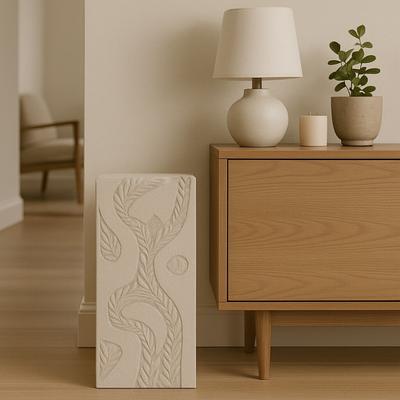
Similar search terms for Interior Plaster
Top-Angebote
Products related to Interior Plaster:
-
Advantage Steno Silver Plaster WallpaperThis chic wallpaper's cool silver hues are enhanced by subtle textural detailing. The plaster-like texture is also imbued with a subtle shimmer and delicate dusting of glitter. Steno is an unpasted, vinyl on non woven wallpaper.66,99 $*Shipping: 0,00 $Secure redirect to the provider
-
Advantage Steno Light Brown Plaster WallpaperAdd soft dimension to your walls with this textured wallpaper. This delicate, light brown design has the look and feel of plaster enhanced by subtle shimmer and glitter. Steno is an unpasted, vinyl on non woven wallpaper.57,61 $*Shipping: 0,00 $Secure redirect to the provider


-
What color do you paint the interior plaster?
The color of the interior plaster can vary depending on personal preference and the overall design scheme of the space. Some popular options include white for a clean and modern look, light pastel colors for a soft and calming atmosphere, or bold and vibrant colors for a more dramatic and energetic feel. Ultimately, the choice of color should complement the furniture, decor, and lighting in the room to create a cohesive and inviting environment. **
-
How can I use interior plaster for brick walls?
Interior plaster can be used to cover and smooth out brick walls, giving them a more polished and finished look. Before applying the plaster, make sure the brick wall is clean and free of any loose debris. You can then mix the plaster according to the manufacturer's instructions and apply it to the brick wall using a trowel. Once the plaster has dried, you can sand it down to achieve a smooth finish or leave it textured for a more rustic look. **
-
What plaster is used for an interior exterior wall?
For both interior and exterior walls, gypsum plaster is commonly used. Gypsum plaster, also known as plaster of Paris, is a smooth, white powder that, when mixed with water, forms a paste that can be applied to walls and ceilings. It is a popular choice for both interior and exterior walls due to its ease of application, smooth finish, and ability to provide a good base for paint or wallpaper. Additionally, gypsum plaster is durable and resistant to fire, making it suitable for use in various environments. **
-
What are those spots on the interior textured plaster?
The spots on the interior textured plaster could be caused by a variety of factors. They could be water stains from leaks or condensation, mold or mildew growth, or even just discoloration from dirt and dust. It's important to identify the cause of the spots in order to properly address the issue. Depending on the cause, you may need to repair any leaks, clean and treat for mold or mildew, or simply clean the surface to remove dirt and dust. **


How can one plaster a wall with interior paint?
To plaster a wall with interior paint, start by preparing the wall surface by filling in any holes or cracks with spackling compound and sanding the surface smooth. Then, apply a coat of primer to the wall to ensure the paint adheres properly. Once the primer is dry, use a roller to apply the interior paint in a smooth and even manner, working in small sections at a time. Allow the first coat to dry completely before applying a second coat for a more even and durable finish. **
How should the interior plaster be dried in the spring?
In the spring, interior plaster should be dried gradually to prevent cracking or other damage. Open windows and doors to allow for proper ventilation and air circulation. Use fans to help speed up the drying process, but avoid direct heat sources as they can cause the plaster to dry too quickly and crack. Monitor the moisture levels in the plaster regularly and adjust the drying process as needed. **
Top-Angebote
Products related to Interior Plaster:
-
York Wallcoverings Italian Plaster Plaster WallpaperThe distinctive, rugged texture of hand-troweled Italian plaster is reimagined with a luminous, modern shimmer. Featured here in natural beige. Unpasted vinyl material. 27.5-in repeat, drop match. Scrubbable and strippable. 20.9-in by 33-ft long roll.153,00 $*Shipping: 0,00 $Secure redirect to the provider
-
Sagebrook Home Wood Roanoke Carved Plaster Pedestal, IvoryEnhance your home decor with our stunning line of Decorative Accessories. Our decorative accents will inspire your creativity while designing your home and outdoor spaces. A great addition and decoration for upscale hotels and offices.196,49 $*Shipping: 0,00 $Secure redirect to the provider
-
Advantage Steno Silver Plaster WallpaperThis chic wallpaper's cool silver hues are enhanced by subtle textural detailing. The plaster-like texture is also imbued with a subtle shimmer and delicate dusting of glitter. Steno is an unpasted, vinyl on non woven wallpaper.66,99 $*Shipping: 0,00 $Secure redirect to the provider
-
What types of interior plaster are there, lime plaster or silicate plaster?
There are two main types of interior plaster: lime plaster and silicate plaster. Lime plaster is made from a mixture of sand, water, and lime and has been used for centuries due to its durability and breathability. Silicate plaster, on the other hand, is made from a mixture of sand, water, and potassium silicate and is known for its high resistance to moisture and mold. Both types of plaster have their own unique characteristics and benefits, so the choice between them depends on the specific needs of the project. **
-
Why is the interior plaster peeling off?
The interior plaster may be peeling off due to a variety of reasons, such as water damage, poor ventilation, or improper application. Water damage can cause the plaster to weaken and detach from the wall. Poor ventilation can lead to moisture buildup, which can also cause the plaster to peel. Additionally, if the plaster was not applied correctly or if the surface was not properly prepared before application, it may not adhere properly and eventually start peeling off. **
-
What color do you paint the interior plaster?
The color of the interior plaster can vary depending on personal preference and the overall design scheme of the space. Some popular options include white for a clean and modern look, light pastel colors for a soft and calming atmosphere, or bold and vibrant colors for a more dramatic and energetic feel. Ultimately, the choice of color should complement the furniture, decor, and lighting in the room to create a cohesive and inviting environment. **
-
How can I use interior plaster for brick walls?
Interior plaster can be used to cover and smooth out brick walls, giving them a more polished and finished look. Before applying the plaster, make sure the brick wall is clean and free of any loose debris. You can then mix the plaster according to the manufacturer's instructions and apply it to the brick wall using a trowel. Once the plaster has dried, you can sand it down to achieve a smooth finish or leave it textured for a more rustic look. **
Similar search terms for Interior Plaster
-
Advantage Steno Light Brown Plaster WallpaperAdd soft dimension to your walls with this textured wallpaper. This delicate, light brown design has the look and feel of plaster enhanced by subtle shimmer and glitter. Steno is an unpasted, vinyl on non woven wallpaper.57,61 $*Shipping: 0,00 $Secure redirect to the provider
-
Laura Ashley Mayville Plaster Pink WallpaperMayville is a beautifully hand-painted design that captures the essence of an English garden in full bloom. Featuring large peonies and roses, this tonal pattern is in a soft pink painterly style, bringing timeless elegance to any interior.110,00 $*Shipping: 0,00 $Secure redirect to the provider
-
Laura Ashley Stratton Plaster Pink WallpaperThis romantic line drawn floral design was originally featured on fabric and wallpaper found in the Laura Ashley archive. The Stratton print features chrysanthemums on meandering stems with beautiful curling petals and leaves that climb the design.50,00 $*Shipping: 0,00 $Secure redirect to the provider
-
What plaster is used for an interior exterior wall?
For both interior and exterior walls, gypsum plaster is commonly used. Gypsum plaster, also known as plaster of Paris, is a smooth, white powder that, when mixed with water, forms a paste that can be applied to walls and ceilings. It is a popular choice for both interior and exterior walls due to its ease of application, smooth finish, and ability to provide a good base for paint or wallpaper. Additionally, gypsum plaster is durable and resistant to fire, making it suitable for use in various environments. **
-
What are those spots on the interior textured plaster?
The spots on the interior textured plaster could be caused by a variety of factors. They could be water stains from leaks or condensation, mold or mildew growth, or even just discoloration from dirt and dust. It's important to identify the cause of the spots in order to properly address the issue. Depending on the cause, you may need to repair any leaks, clean and treat for mold or mildew, or simply clean the surface to remove dirt and dust. **
-
How can one plaster a wall with interior paint?
To plaster a wall with interior paint, start by preparing the wall surface by filling in any holes or cracks with spackling compound and sanding the surface smooth. Then, apply a coat of primer to the wall to ensure the paint adheres properly. Once the primer is dry, use a roller to apply the interior paint in a smooth and even manner, working in small sections at a time. Allow the first coat to dry completely before applying a second coat for a more even and durable finish. **
-
How should the interior plaster be dried in the spring?
In the spring, interior plaster should be dried gradually to prevent cracking or other damage. Open windows and doors to allow for proper ventilation and air circulation. Use fans to help speed up the drying process, but avoid direct heat sources as they can cause the plaster to dry too quickly and crack. Monitor the moisture levels in the plaster regularly and adjust the drying process as needed. **
* All prices are inclusive of VAT and, if applicable, plus shipping costs. The offer information is based on the details provided by the respective shop and is updated through automated processes. Real-time updates do not occur, so deviations can occur in individual cases. ** Note: Parts of this content were created by AI.