Buy stopundshop.eu ?
We are moving the project
stopundshop.eu .
Are you interested in purchasing the domain
stopundshop.eu ?
domain@kv-gmbh.de · 0541-91531010
Buy stopundshop.eu ?
What are Indo-European Aryans?
Indo-European Aryans were a group of people who spoke the Indo-European language and were believed to have migrated from the Eurasian steppes into regions such as India, Iran, and Europe around 4000-2000 BCE. They were a nomadic, pastoral society with a hierarchical social structure and a pantheon of gods. The term "Aryan" has been misused in the past to promote racist ideologies, but it is important to understand the historical and linguistic context in which the Indo-European Aryans existed. **
What are Indo-European languages?
Indo-European languages are a large language family that includes over 400 languages and dialects spoken by about 3 billion people, making it the largest language family in the world. These languages are spoken primarily in Europe, Western and South Asia, and parts of the Americas. Some of the most widely spoken Indo-European languages include English, Spanish, Hindi, and Russian. The family is believed to have originated from a common ancestral language spoken thousands of years ago, and it has since diversified into the many languages we know today. **


Similar search terms for Indo-European
Top-Angebote
Products related to Indo-European:
-
MAWA- 4pc set European Clothing Steel Hangers, 42-LK Series, 4 colorsMADE IN GERMANY Quality steel hanger with PVC coating which prevents clothes from slipping off and onto your floor. BODYFORM SERIES This series was created to support coats, suits, jackets, and more that need collar and shoulder support.39,99 $*Shipping: 0,00 $Secure redirect to the provider
-
MAWA 10pc Set European Clothing Hangers 7ea 40-P 3 ea 42-U"EURO SERIES hanger for hanging pullovers, outerwear, women’s sweaters, dresses, men’s dress shirts, and sweatshirts. Each hanger measures 15 3/4 by 3/8-inch (22.86 x 40.05 cm), hook length drop is 4"". UNIQUE SIZE People come in all kinds of sizes."34,99 $*Shipping: 0,00 $Secure redirect to the provider
-
Depera Home Luxury European Goose Down ComforterExperience ultimate luxury and warmth with Depera Home's European Goose Down Comforter. This comforter is made from the finest jowl and back feathers of the goose, providing exceptional softness and heat capacity.95,82 $*Shipping: 0,00 $Secure redirect to the provider
-
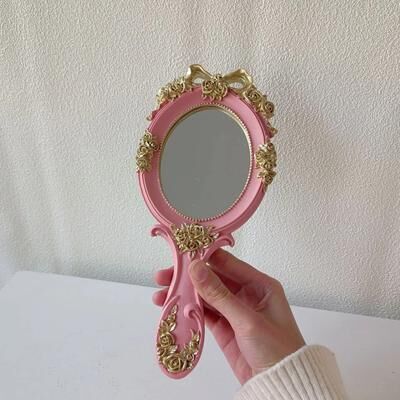
Uplift Picks Vintage Handheld Mirror European Style Retro Makeup Vanity Beauty Mirror pinkAdd a touch of classic elegance to everyday beauty routines with this retro makeup mirror. Designed with a decorative Europeaninspired look and convenient handle, it makes makeup application, skincare checks, and grooming easier. This vanity hand...117,98 $*Shipping: 0,00 $Secure redirect to the provider


-
What is Proto-Indo-European?
Proto-Indo-European is the hypothetical common ancestor of the Indo-European language family, which includes languages such as English, Spanish, Hindi, Russian, and many others. It is believed to have been spoken thousands of years ago, possibly around 4500-2500 BCE, in the Pontic-Caspian steppe region. Linguists have reconstructed Proto-Indo-European based on similarities found in the vocabulary, grammar, and phonology of its descendant languages. While no written records of Proto-Indo-European exist, its existence is inferred from the similarities among the Indo-European languages. **
-
How can one learn Indo-European?
One can learn Indo-European by studying its grammar, vocabulary, and phonology through textbooks, online resources, and language courses. It is important to familiarize oneself with the historical context and evolution of the language family to understand its structure and development. Practice speaking, writing, and listening to Indo-European languages to improve fluency and comprehension. Additionally, joining language exchange groups or finding a tutor can provide valuable opportunities for conversation and feedback. **
-
Why is the origin Indo-European?
The origin of the Indo-European language family is believed to be in the Pontic-Caspian steppe region, which is located in present-day Ukraine and southern Russia. This region is considered the homeland of the Proto-Indo-European people, from whom the Indo-European languages are believed to have descended. Linguistic evidence, as well as archaeological and genetic research, supports the theory that the Indo-European languages spread from this region through migrations and cultural exchanges. The diverse and widespread nature of the Indo-European languages today can be traced back to this ancient origin in the Pontic-Caspian steppe. **
-
Are there any popular science books on Indo-European studies?
Yes, there are popular science books on Indo-European studies. Some well-known titles include "The Horse, the Wheel, and Language: How Bronze-Age Riders from the Eurasian Steppes Shaped the Modern World" by David W. Anthony and "The Indo-Europeans: In Search of the Homeland" by Alain de Benoist. These books provide accessible and engaging overviews of the history, culture, and language of the Indo-European peoples, making them popular choices for readers interested in the subject. **


Are there planned languages based on the Indo-European language family?
Yes, there are planned languages based on the Indo-European language family. One example is Latino sine Flexione, a simplified version of Latin created by Italian mathematician Giuseppe Peano. Another example is Interlingua, which was developed in the early 20th century and is based on the Romance languages within the Indo-European family. These planned languages were designed to be easy to learn and understand for speakers of Indo-European languages. **
Which peoples belong to the Aryan race and speak Indo-European languages?
The Aryan race is a controversial and outdated concept that has been discredited by modern scientific understanding. The term "Aryan" was historically used to describe a group of people who were believed to have migrated from Central Asia and spread across Europe and parts of Asia, and who spoke Indo-European languages. However, it is important to note that the concept of the Aryan race has been misused in the past to promote racist and supremacist ideologies. Today, the idea of the Aryan race is not considered valid, and it is important to approach discussions of language and ethnicity with sensitivity and respect for diverse cultures and histories. **
Top-Angebote
Products related to Indo-European:
-
Hodder & Stoughton Khazana by Saliha Mahmood Ahmed – Indo-Persian Recipes Inspired by the Mughal KitchenKhazana by Saliha Mahmood Ahmed – Award-Winning Indo-Persian Cookbooks Looking for award-winning cookbooks that blend rich history with bold, modern flavors? Khazana by MasterChef 2017 winner Saliha Mahmood Ahmed is a must-have cookbooks that celebrates the opulent food culture of the Mughal Empire, fused with modern Indian and Pakistani influences. Shortlisted for ‘Travel Cookery Book of the Year’ at the 2019 Edward Stanford Travel Writing Awards and winner of the Gourmand World Cookbooks Awards 2020 (Celebrity Chef in English), Khazana stands out among modern cookbooks for its vibrant storytelling and exquisite recipes. From Smoked Chicken & Basil Kebabs to Mughal Baked Cod Korma and Rose Ice Cream with Honey-glazed Figs, this cookbook is filled with luxurious, flavor-packed dishes that bring Indo-Persian cuisine to life. Why Khazana belongs in your cookbooks collection: Recognized by top cookbooks awards and food publications Features 21st-century takes on traditional Indo-Persian recipes A perfect cookbooks for fans of Indian, Pakistani, Persian, or fusion cooking Recommended by chefs and praised by BBC Good Food, Express Magazine, and more “A glittering hoard of Indo-Persian dishes.” – Aldo Zilli“The perfect blend of Indian and Persian flavours…” – BBC Good Food Magazine“A culinary journey of discovery.” – Thomasina Miers If you’re searching for cookbooks with unique global flavors, Khazana is a culinary gem that will elevate your cooking and enrich your cookbooks shelf. cookbooks, best cookbooks, award-winning cookbooks, modern cookbooks, travel cookbooks, celebrity chef cookbooks, fusion cookbooks, Indo-Persian cookbooks, Indian cookbooks, Pakistani cookbooks, Persian cookbooks, MasterChef cookbooks, cookbooks with rosewater recipes, cookbooks with saffron recipes, historical cookbooks, exotic cookbooks, global cuisine cookbooks, best Indo-Persian cookbooks for home cooks, award-winning travel cookbooks 2019, cookbooks inspired by the Mughal Empire, cookbooks by MasterChef winners, best fusion cookbooks for modern kitchens, cookbooks featuring Indian and Persian recipes, cookbooks that combine history and food, unique global cookbooks with storytelling, cookbooks with traditional and modern Indian recipes, best cookbooks with pomegranate and saffron flavors, culinary heritage, spice-rich recipes, food memoir, Mughal-inspired dishes, saffron-infused meals, cross-cultural recipes, rich flavor profiles, South Asian cuisine, gourmet cookbooks, chef-authored cookbooks10,99 £*Shipping: 2,99 £Secure redirect to the provider
-
MAWA 15pc set European Clothing Steel Hangers, Silhouette 41-F SeriesMAWA 15pc set European Clothing Steel Hangers, Silhouette 41-F Series; Non-Slip Space Saving Clothes Hanger MADE IN GERMANY Quality steel hanger with PVC coating which prevents clothes from slipping off and onto your floor.44,99 $*Shipping: 0,00 $Secure redirect to the provider
-
MAWA- 4pc set European Clothing Steel Hangers, 42-LK Series, 4 colorsMADE IN GERMANY Quality steel hanger with PVC coating which prevents clothes from slipping off and onto your floor. BODYFORM SERIES This series was created to support coats, suits, jackets, and more that need collar and shoulder support.39,99 $*Shipping: 0,00 $Secure redirect to the provider
-
MAWA 10pc Set European Clothing Hangers 7ea 40-P 3 ea 42-U"EURO SERIES hanger for hanging pullovers, outerwear, women’s sweaters, dresses, men’s dress shirts, and sweatshirts. Each hanger measures 15 3/4 by 3/8-inch (22.86 x 40.05 cm), hook length drop is 4"". UNIQUE SIZE People come in all kinds of sizes."34,99 $*Shipping: 0,00 $Secure redirect to the provider
-
What are Indo-European Aryans?
Indo-European Aryans were a group of people who spoke the Indo-European language and were believed to have migrated from the Eurasian steppes into regions such as India, Iran, and Europe around 4000-2000 BCE. They were a nomadic, pastoral society with a hierarchical social structure and a pantheon of gods. The term "Aryan" has been misused in the past to promote racist ideologies, but it is important to understand the historical and linguistic context in which the Indo-European Aryans existed. **
-
What are Indo-European languages?
Indo-European languages are a large language family that includes over 400 languages and dialects spoken by about 3 billion people, making it the largest language family in the world. These languages are spoken primarily in Europe, Western and South Asia, and parts of the Americas. Some of the most widely spoken Indo-European languages include English, Spanish, Hindi, and Russian. The family is believed to have originated from a common ancestral language spoken thousands of years ago, and it has since diversified into the many languages we know today. **
-
What is Proto-Indo-European?
Proto-Indo-European is the hypothetical common ancestor of the Indo-European language family, which includes languages such as English, Spanish, Hindi, Russian, and many others. It is believed to have been spoken thousands of years ago, possibly around 4500-2500 BCE, in the Pontic-Caspian steppe region. Linguists have reconstructed Proto-Indo-European based on similarities found in the vocabulary, grammar, and phonology of its descendant languages. While no written records of Proto-Indo-European exist, its existence is inferred from the similarities among the Indo-European languages. **
-
How can one learn Indo-European?
One can learn Indo-European by studying its grammar, vocabulary, and phonology through textbooks, online resources, and language courses. It is important to familiarize oneself with the historical context and evolution of the language family to understand its structure and development. Practice speaking, writing, and listening to Indo-European languages to improve fluency and comprehension. Additionally, joining language exchange groups or finding a tutor can provide valuable opportunities for conversation and feedback. **
Similar search terms for Indo-European
-
Depera Home Luxury European Goose Down ComforterExperience ultimate luxury and warmth with Depera Home's European Goose Down Comforter. This comforter is made from the finest jowl and back feathers of the goose, providing exceptional softness and heat capacity.95,82 $*Shipping: 0,00 $Secure redirect to the provider
-
Uplift Picks Vintage Handheld Mirror European Style Retro Makeup Vanity Beauty Mirror pinkAdd a touch of classic elegance to everyday beauty routines with this retro makeup mirror. Designed with a decorative Europeaninspired look and convenient handle, it makes makeup application, skincare checks, and grooming easier. This vanity hand...117,98 $*Shipping: 0,00 $Secure redirect to the provider
-
Depera Home Luxury European Goose Down ComforterExperience ultimate luxury and warmth with Depera Home's European Goose Down Comforter. This comforter is made from the finest jowl and back feathers of the goose, providing exceptional softness and heat capacity.112,33 $*Shipping: 0,00 $Secure redirect to the provider
-
Uplift Picks Vintage Handheld Mirror European Style Retro Makeup Vanity Beauty Mirror goldAdd a touch of classic elegance to everyday beauty routines with this retro makeup mirror. Designed with a decorative Europeaninspired look and convenient handle, it makes makeup application, skincare checks, and grooming easier. This vanity hand...117,98 $*Shipping: 0,00 $Secure redirect to the provider
-
Why is the origin Indo-European?
The origin of the Indo-European language family is believed to be in the Pontic-Caspian steppe region, which is located in present-day Ukraine and southern Russia. This region is considered the homeland of the Proto-Indo-European people, from whom the Indo-European languages are believed to have descended. Linguistic evidence, as well as archaeological and genetic research, supports the theory that the Indo-European languages spread from this region through migrations and cultural exchanges. The diverse and widespread nature of the Indo-European languages today can be traced back to this ancient origin in the Pontic-Caspian steppe. **
-
Are there any popular science books on Indo-European studies?
Yes, there are popular science books on Indo-European studies. Some well-known titles include "The Horse, the Wheel, and Language: How Bronze-Age Riders from the Eurasian Steppes Shaped the Modern World" by David W. Anthony and "The Indo-Europeans: In Search of the Homeland" by Alain de Benoist. These books provide accessible and engaging overviews of the history, culture, and language of the Indo-European peoples, making them popular choices for readers interested in the subject. **
-
Are there planned languages based on the Indo-European language family?
Yes, there are planned languages based on the Indo-European language family. One example is Latino sine Flexione, a simplified version of Latin created by Italian mathematician Giuseppe Peano. Another example is Interlingua, which was developed in the early 20th century and is based on the Romance languages within the Indo-European family. These planned languages were designed to be easy to learn and understand for speakers of Indo-European languages. **
-
Which peoples belong to the Aryan race and speak Indo-European languages?
The Aryan race is a controversial and outdated concept that has been discredited by modern scientific understanding. The term "Aryan" was historically used to describe a group of people who were believed to have migrated from Central Asia and spread across Europe and parts of Asia, and who spoke Indo-European languages. However, it is important to note that the concept of the Aryan race has been misused in the past to promote racist and supremacist ideologies. Today, the idea of the Aryan race is not considered valid, and it is important to approach discussions of language and ethnicity with sensitivity and respect for diverse cultures and histories. **
* All prices are inclusive of VAT and, if applicable, plus shipping costs. The offer information is based on the details provided by the respective shop and is updated through automated processes. Real-time updates do not occur, so deviations can occur in individual cases. ** Note: Parts of this content were created by AI.